
Fortinet FortiGate 30G to 90G Firewalls for Branch Networks
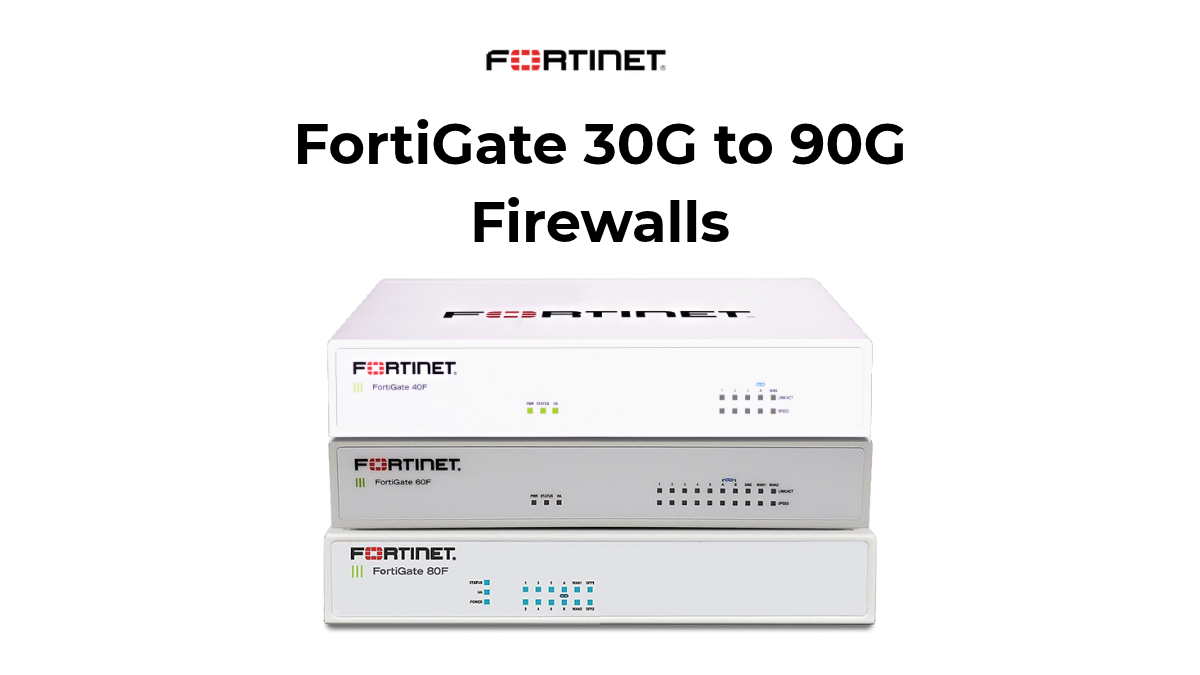
Fortinet FortiGate next-generation firewalls combine network security and networking capabilities within the Fortinet Security Fabric. For offices, branches and distributed sites, the compact portfolio covered here spans the FortiGate and selected FortiWiFi 30G, 40F, 50G, 60F, 70F, 70G, 80F and 90G families, giving organisations different options for securing users, devices, applications and connections.
For organisations in the UAE and wider GCC, the practical question is not simply which firewall has the highest specification. The right choice depends on internet capacity, encrypted traffic, enabled security services, site topology, high-availability requirements, wireless needs and expected growth. Live in the Cloud ME approaches FortiGate selection as part of the wider network and cybersecurity design rather than as a standalone hardware purchase.
Product Overview
FortiGate is Fortinet’s next-generation firewall platform. Fortinet positions the range around the convergence of networking and security through FortiOS, with security functions and centralised policy capabilities available across different deployment sizes. The product resources supplied for this article cover compact desktop families from 30G through 90G, including selected FortiWiFi variants where integrated wireless connectivity is required. These appliances address different levels of branch, small-office and distributed-site demand, so selection should be based on the enabled security profile and real traffic conditions rather than the headline firewall figure alone.
FortiGate Model Comparison
The comparison below provides a quick view of the compact FortiGate families covered in this article. Threat-protection figures are based on the Fortinet model comparison shown in the supplied vendor material. They should be checked against the current model datasheet and intended security configuration before sizing or procurement.
| Model | Deployment category | Threat protection | Typical deployment fit | Datasheet / PDF |
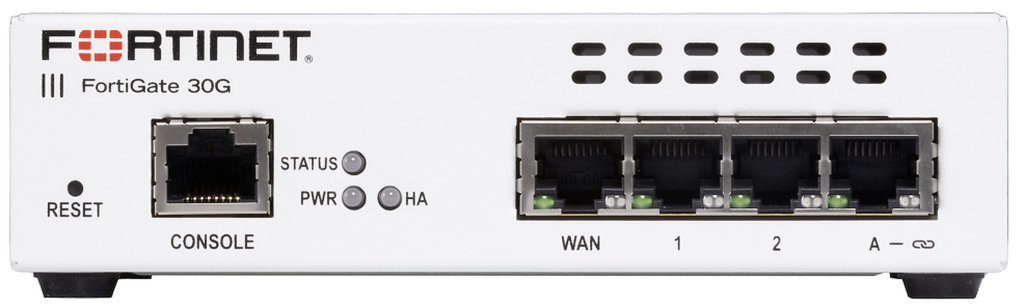
| FortiGate 30G | Entry-level / branch | 500 Mbps | Small offices, remote sites and lighter branch requirements | 30G datasheet |
| FortiGate 40F | Entry-level / branch | 600 Mbps | Small offices and branch networks | 40F datasheet |
| FortiGate 50G | Entry-level / branch | 1.1 Gbps | Growing branches and distributed locations | 50G datasheet |
| FortiGate 60F | Entry-level / branch | 700 Mbps | Established offices and multi-site environments | 60F datasheet |
| FortiGate 70F | Entry-level / branch | 800 Mbps | Branches requiring additional capacity and connectivity | 70F PDF |
| FortiGate 70G | Entry-level / branch | 1.3 Gbps | Higher-demand branches and security-intensive environments | 70G PDF |
| FortiGate 80F | Entry-level / branch | 900 Mbps | Larger branches and offices with broader connectivity requirements | 80F datasheet |
| FortiGate 90G | Entry-level / branch | 2.2 Gbps | High-demand branch and distributed-site deployments | 90G datasheet |
Important: Threat-protection figures are published comparison values, not sizing recommendations. Actual performance depends on enabled security services, traffic conditions, FortiOS version, configuration and inspection requirements. The 70F and 70G entries link directly to supplied PDF files. The remaining entries link to Fortinet’s official datasheet pages because direct PDF URLs were not supplied.
Built for Branch and Distributed Networks
Request Quote by Email
Request Quote by WhatsApp
The FortiGate entry-level range gives businesses options for securing offices, branches and distributed locations with different levels of performance and connectivity. The right model depends on the site, traffic, security services and expected growth.
Key Features
- Next-generation firewall controls for inspecting and governing network traffic, users, applications and connections.
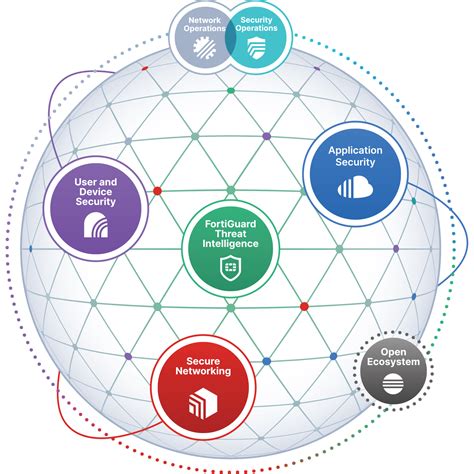
- FortiOS provides a common security and networking foundation across the FortiGate portfolio.
- FortiGuard security services can add threat intelligence and security inspection capabilities according to the selected subscription and configuration.
- Secure SD-WAN capabilities can combine connectivity management and security policy for distributed sites.
- Support for zero-trust network access capabilities within the wider Fortinet architecture, subject to the required components, licensing and design.
- Purpose-built Fortinet security processing is used across the appliance portfolio to support security and networking workloads.
- FortiGate and selected FortiWiFi models provide options for compact sites, with integrated wireless available on applicable FortiWiFi variants.
- The 30G to 90G families covered by the supplied resources provide different choices for traffic, interfaces, resilience and deployment requirements.
Ideal Use Cases
The compact FortiGate families covered by the supplied resources are relevant where an organisation needs security and connectivity at an office, branch or distributed location. The exact appliance and service bundle should be validated against the network design, expected encrypted traffic, number of users and devices, connectivity type and operational model.
- Small offices and branch locations requiring a unified firewall and network security platform.
- Multi-site businesses using secure SD-WAN to manage and protect branch connectivity.
- Retail, hospitality, professional-services and operational sites that need a compact security appliance at each location.
- Locations considering a FortiWiFi variant where integrated wireless connectivity is appropriate for the site design.
- Organisations standardising policy and security operations across several distributed locations.
- Network refresh projects where firewall capacity, interfaces, security subscriptions and future connectivity growth need to be assessed together.
Why It Matters
Firewall sizing is often misunderstood because published performance figures are measured under defined test conditions and may not reflect a live deployment with multiple security functions enabled. An appliance that is adequate for basic stateful firewall traffic may have different capacity when intrusion prevention, application control, web filtering, malware inspection, SSL/TLS inspection, VPN services and logging are used together.
The commercial decision also extends beyond the appliance. FortiGuard subscriptions, FortiCare support, central management, logging, wireless design, switching, high availability and lifecycle planning can materially affect the final architecture. A clear requirements assessment reduces the risk of under-sizing a branch firewall, paying for unnecessary capacity or selecting a model without the interfaces and resilience needed for the site.
LITC ME View
LITC ME’s view is that FortiGate evaluation should begin with the intended security policy and operating environment. Decision makers should document WAN speeds, user and device counts, VPN demand, encrypted-traffic inspection, required security services, port and wireless requirements, logs and retention, availability targets, expected growth and the team responsible for ongoing administration. The 30G, 40F, 50G, 60F, 70F, 70G, 80F and 90G families should then be compared using the relevant current datasheets and an agreed configuration. This avoids choosing solely by model number or a single throughput figure and supports a more defensible technical and commercial decision.
Related Product Resources
The following supplied resources support the platform and model-family evaluation. Datasheets should be checked for the precise variant, interfaces, performance test conditions, environmental specifications and ordering options before procurement. Direct PDF links are used where provided; otherwise, the official Fortinet datasheet page is linked.
- Fortinet Next-Generation Firewall product page – Platform overview and FortiGate positioning.
- LITC ME: FortiGate Next-Generation Firewalls in the UAE and GCC – Existing regional FortiGate overview. Remove this entry if this article is being used to replace that page.
- FortiGate/FortiWiFi 30G Series datasheet – Model-family specifications and product details.
- FortiGate/FortiWiFi 40F Series datasheet – Model-family specifications and product details.
- FortiGate/FortiWiFi 50G Series datasheet – Model-family specifications and product details.
- FortiGate/FortiWiFi 60F Series datasheet – Model-family specifications and product details.
- FortiGate 70F Series PDF datasheet – Downloadable specifications for the 70F family.
- FortiGate/FortiWiFi 70G Series PDF datasheet – Downloadable specifications for the 70G family.
- FortiGate/FortiWiFi 80F Series datasheet – Model-family specifications and product details.
- FortiGate 90G Series datasheet – Model-family specifications and product details.
Conclusion
Fortinet’s compact FortiGate portfolio gives organisations several options for securing offices, branches and distributed sites while bringing networking and security policy onto a common platform. The value of the range is in selecting and configuring the appropriate appliance, subscriptions and management approach for the actual environment. Live in the Cloud ME can help organisations assess requirements, compare the relevant FortiGate families and plan the firewall as part of a broader network, cybersecurity and managed-services strategy.
Need FortiGate pricing for your business?
Tell us which FortiGate model you’re considering, or share your network requirements and Live in the Cloud ME can help you identify a suitable configuration.